The pre-call warmup that got FreightWise's team making 25% more calls
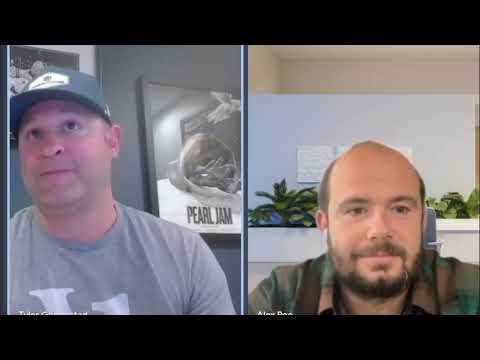
View full transcript
Tyler Gangestad, VP of Sales, FreightWise
In the logistics space, especially with folks who don't understand our model, learning this industry is time-consuming. We've seen probably upwards of six months to a full year before somebody fully understands everything in the space: parcel, LTL, full truckload, TMS, the competition, what our value props really are, and how we work. That's a real, time-consuming process.
We've partnered with Chambr, and one of the things that brings value is you can do those role plays, those cold calls, where I don't have to sit on every single one of them. I can go back and coach after the fact.
With new reps who've been around a year or less on my team, I've definitely seen an improvement in their ability to rebut objections, in understanding their talk track and their flow on cold calls, and then the discovery calls, which we've all been roleplaying. That's been super beneficial in our one-on-ones.
Going through the full transcript, I can say, "Hey, the role play asked this and you didn't really address it. You jumped to this. Is it because you were uncomfortable? Is it because you didn't understand?" There are so many things I'm able to dive in and dissect that I would never be able to otherwise, because I just don't have the bandwidth to sit on every single call.
Tyler Gangestad will tell you the hardest part of cold calling is starting.
The first dial of the day is the hardest.
Tyler runs the sales team at FreightWise, a tech-enabled freight brokerage and TMS provider. Four of his reps had been on the team under a year. They knew the product. They understood the market. But when a prospect pushed back in a direction they weren’t comfortable with, they redirected, talked about something they did know, and left the hard question on the table.
Tyler knew the pattern. He just didn’t have a way to fix it at scale.
Why doesn’t internal roleplay work?
He’d tried it. Get everyone aligned on a call. Run scenarios with teammates who already know the talk track, and who let a rep off the hook instead of pushing through.
When you’re roleplaying with someone you work with every day, they might just say, “OK, you got me.” That’s not realistic.
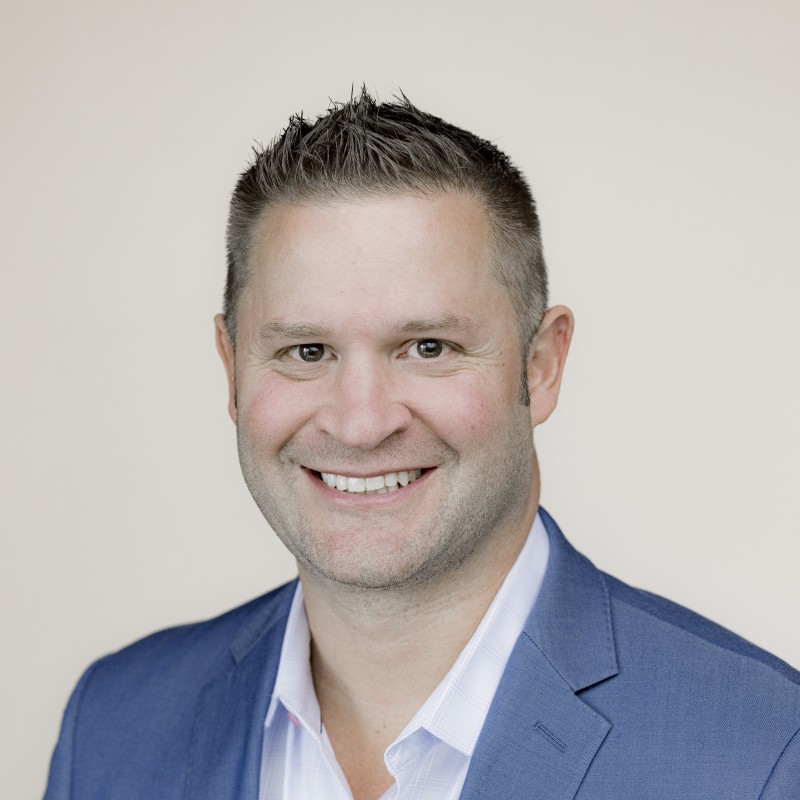 Tyler Gangestad, VP of Sales, FreightWise
The other problem: he couldn’t sit on every call. You can’t run two hours of individual roleplay per rep, per week, while you’re also managing a pipeline. The math doesn’t work.
What does a pre-call warmup actually look like?
FreightWise started using Chambr as a pre-call warmup. Before a prospecting block, reps run a roleplay. The AI pushes back harder than most real prospects would, so the real call feels easier.
The bots probably push back and rebut more than a typical person. But I view that as the best training possible. My team just keeps going, and they’re winning most of the time.
Tyler Gangestad, VP of Sales, FreightWiseTyler built the bots from the ground up: a warm call with a Logistics Manager and a discovery call with a VP of Operations. With the discovery roleplay, he wanted to see one thing: are the reps asking the right questions and letting the prospect talk, or are they showing up and throwing up?
Then the habit stuck on its own. Reps finish their roleplay assignment and immediately run their real call block. No gap, no coffee break and not because Tyler told them to. Practice first, then calls back to back, like the roleplay was always part of the routine.
Every time I set an assignment, they’re setting a call block with it. That’s just the natural behavior.
Tyler Gangestad, VP of Sales, FreightWiseHow did Chambr change the one-on-ones?
The coaching got precise.
Before Chambr, one-on-ones covered pipeline, deals in flight, where Tyler could help. With Chambr, he had full visibility: detailed analytics plus the transcript. He could pull up the exact moment a rep deflected a tough question and ask: did you not know the answer, or were you just uncomfortable going there? Different problems. Different fixes.
Chambr pushed back here and you didn’t address it. You jumped to something you were more comfortable with. Let’s sharpen that. Any time you deviate from a prospect’s question, their confidence in you goes down.
Tyler Gangestad, VP of Sales, FreightWiseWhat were the results?
Call volume is up 25% since the team started. More discovery calls, and better ones. Reps walk into live conversations knowing the hard moments are already familiar.
Confidence is definitely up. They know where they’re lacking. Now they can handle those objections without a problem, and going into live calls feels easier.
Tyler Gangestad, VP of Sales, FreightWiseTyler put it in terms he’s used since before Chambr:
Even Michael Jordan would wake up and shoot free throws. That’s what Chambr roleplays do before a call session. I’d rather make mistakes in an AI roleplay than with a live prospect. It’s harder and harder to get real people on the phone. When you do, you don’t want to miss. We’re getting a lot of ROI from Chambr.